Top Health Tips for a Happier Life
- Clelie St Vil
- Jul 9
- 4 min read
In today's fast-paced world, maintaining good health can often feel like a daunting task. With the constant barrage of responsibilities, it’s easy to neglect our well-being. However, prioritizing health is essential for a happier, more fulfilling life. This blog post will explore practical health tips that can help you enhance your physical and mental well-being.
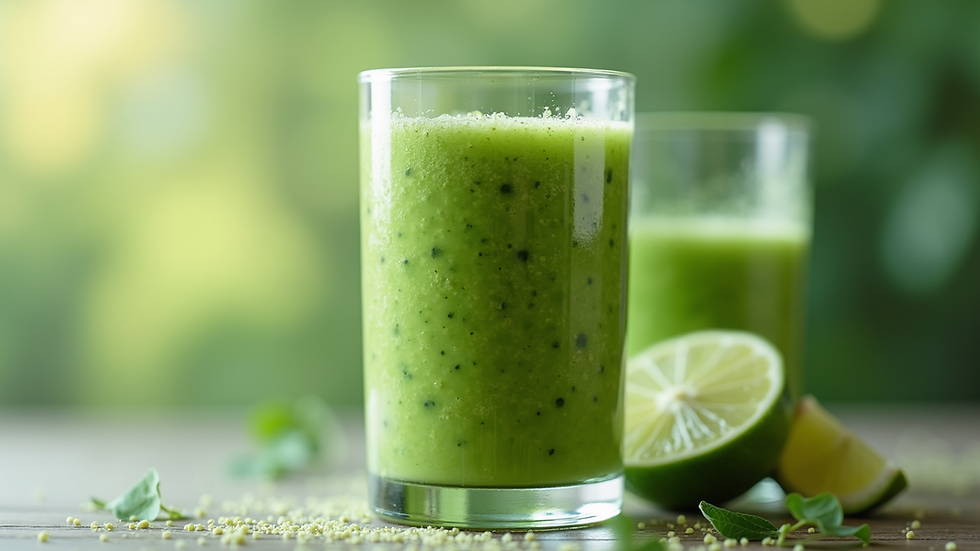
Understand the Importance of Nutrition
Nutrition plays a pivotal role in our overall health. The food we consume directly impacts our energy levels, mood, and long-term health. Here are some key points to consider:
Eat a Balanced Diet
A balanced diet includes a variety of foods from all food groups:
Fruits and Vegetables: Aim for at least five servings a day. These are rich in vitamins, minerals, and antioxidants.
Whole Grains: Choose whole grains over refined grains. They provide more fiber and nutrients.
Lean Proteins: Incorporate sources like chicken, fish, beans, and legumes.
Healthy Fats: Include sources like avocados, nuts, and olive oil.
Stay Hydrated
Water is essential for every cell in your body. Aim for at least eight 8-ounce glasses of water a day. Staying hydrated can improve your mood, energy levels, and cognitive function.
Limit Processed Foods
Processed foods often contain high levels of sugar, salt, and unhealthy fats. Reducing your intake of these foods can lead to better health outcomes. Instead, focus on whole, unprocessed foods.
Incorporate Regular Exercise
Physical activity is crucial for maintaining a healthy lifestyle. It not only helps with weight management but also boosts mental health. Here’s how to get started:
Find Activities You Enjoy
Exercise doesn’t have to be a chore. Discover activities that you enjoy, such as:
Walking or Jogging: Simple yet effective for cardiovascular health.
Yoga: Great for flexibility and mental clarity.
Team Sports: Fun way to socialize while staying active.
Aim for Consistency
Try to incorporate at least 150 minutes of moderate aerobic activity each week. This can be broken down into manageable sessions, such as 30 minutes a day, five days a week.
Strength Training
Incorporate strength training exercises at least twice a week. This can include bodyweight exercises, resistance bands, or weights. Strength training helps build muscle, improve metabolism, and enhance bone health.
Prioritize Mental Health
Mental health is just as important as physical health. Here are some strategies to support your mental well-being:
Practice Mindfulness
Mindfulness involves being present in the moment. Techniques include:
Meditation: Spend a few minutes each day focusing on your breath.
Deep Breathing: Helps reduce stress and anxiety.
Journaling: Write down your thoughts and feelings to gain clarity.
Connect with Others
Social connections are vital for mental health. Make time for friends and family, and engage in community activities. Building strong relationships can provide emotional support and reduce feelings of isolation.
Seek Professional Help
If you’re struggling with mental health issues, don’t hesitate to seek help from a professional. Therapy can provide valuable tools and strategies for coping with challenges.
Get Enough Sleep
Sleep is essential for overall health. Lack of sleep can lead to a host of health problems, including obesity, heart disease, and depression. Here are some tips for better sleep:
Establish a Sleep Routine
Go to bed and wake up at the same time every day, even on weekends. This helps regulate your body’s internal clock.
Create a Sleep-Friendly Environment
Make your bedroom conducive to sleep by:
Keeping it dark and quiet.
Maintaining a comfortable temperature.
Limiting screen time before bed.
Limit Caffeine and Alcohol
Both caffeine and alcohol can disrupt sleep patterns. Try to limit consumption, especially in the hours leading up to bedtime.
Manage Stress Effectively
Stress is a common part of life, but managing it is crucial for maintaining health. Here are some effective stress management techniques:
Identify Stressors
Take time to identify what causes you stress. Once you know your triggers, you can develop strategies to cope with them.
Develop Healthy Coping Mechanisms
Instead of turning to unhealthy habits, find positive ways to cope with stress, such as:
Exercise: Physical activity can be a great stress reliever.
Hobbies: Engage in activities you love to take your mind off stress.
Relaxation Techniques: Explore options like yoga, tai chi, or deep breathing exercises.
Set Boundaries
Learn to say no when necessary. Setting boundaries can help you manage your time and reduce stress.
Stay Informed About Your Health
Being proactive about your health is essential. Regular check-ups and screenings can help catch potential issues early. Here are some tips:
Schedule Regular Check-Ups
Visit your healthcare provider for routine check-ups. This can help monitor your health and catch any issues early.
Stay Updated on Vaccinations
Ensure you are up-to-date on vaccinations to protect against preventable diseases.
Educate Yourself
Stay informed about health topics that interest you. Knowledge empowers you to make better health decisions.
Embrace a Positive Mindset
A positive mindset can significantly impact your overall health and happiness. Here’s how to cultivate positivity:
Practice Gratitude
Take time each day to reflect on what you are grateful for. This simple practice can shift your focus from negative to positive.
Surround Yourself with Positivity
Engage with positive people and consume uplifting content. This can help foster a more optimistic outlook on life.
Challenge Negative Thoughts
When negative thoughts arise, challenge them. Ask yourself if they are based on facts or assumptions. Replacing negative thoughts with positive affirmations can improve your mindset.
Conclusion
Incorporating these health tips into your daily routine can lead to a happier, healthier life. Remember, small changes can make a significant impact over time. Start by focusing on one area at a time, and gradually build healthier habits. Your journey to better health is a personal one, so take it at your own pace. Prioritize your well-being, and you will reap the benefits in all aspects of your life.


Comments